Red Green Yellow Embroidery Patterns: A Vibrant Choice for Creative Projects
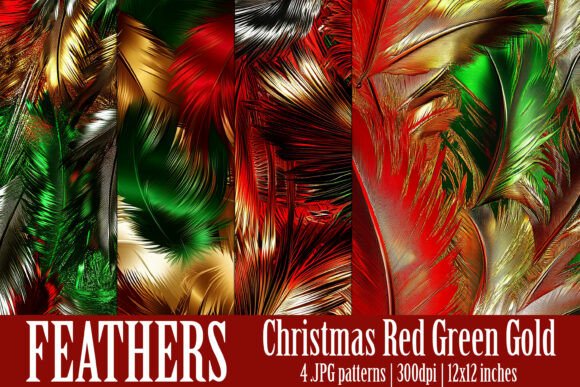
Red Green Yellow Embroidery Patterns offer a bold and eye-catching approach to textile design, blending traditional embroidery techniques with modern color palettes. These patterns are ideal for individuals looking to add a dynamic visual element to their craft projects, whether they're creating greeting cards, stationery, or wall art. The combination of red, green, and yellow provides a striking contrast that can elevate any design, making it a popular choice among artists and DIY enthusiasts.
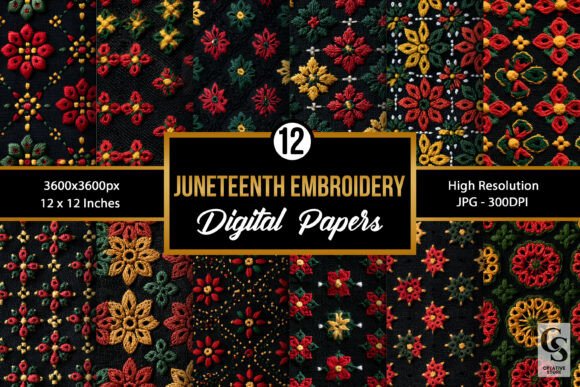
The Red Green Yellow Embroidery Patterns are part of a broader category of embroidery designs that focus on color symbolism and cultural significance. In particular, the Juneteenth Embroidery Seamless Patterns incorporate these colors to reflect the historical and cultural importance of Juneteenth, a celebration of freedom and resilience. This makes the patterns not only aesthetically appealing but also meaningful for those who want to honor specific events or traditions through their work.
What Makes Red Green Yellow Embroidery Patterns Unique?
One of the standout features of Red Green Yellow Embroidery Patterns is their versatility. These designs can be adapted to a wide range of mediums, including fabric, paper, and digital formats. The inclusion of 12 high-resolution digital papers within the zip file allows users to seamlessly integrate these patterns into various projects, from scrapbooking to digital illustrations. Each file is created at 300dpi with a size of 3600 x 3600 pixels, ensuring clarity and detail in both print and digital applications.
Unlike some generic embroidery patterns, Red Green Yellow Embroidery Patterns are designed with specific use cases in mind. They are optimized for applications such as gift wrapping, invitations, and planner pages, offering a level of precision that can enhance the overall quality of the final product. The seamless nature of the patterns also means they can be easily repeated or scaled without losing their integrity, making them suitable for larger projects like wall art or tumbler wraps.
Comparing Red Green Yellow Embroidery Patterns with Other Options
When considering embroidery patterns, it's important to evaluate how Red Green Yellow Embroidery Patterns compare with other available options. Traditional embroidery patterns often focus on more subdued color schemes, such as black and white or pastel tones, which may appeal to those looking for a minimalist aesthetic. However, the vibrant red, green, and yellow palette of these patterns offers a different kind of appeal, particularly for projects that aim to make a strong visual impact.
Another alternative is to use pre-made fabric prints or commercially available designs. While these can be convenient, they may lack the customization and personalization that comes with using embroidery patterns. Red Green Yellow Embroidery Patterns allow users to tailor the design to their specific needs, whether that involves adjusting the scale, adding additional elements, or combining the pattern with other textures and materials.
For those interested in digital design, there are also vector-based embroidery files that can be used with embroidery machines. However, these files often require specialized software and equipment, which may not be accessible to all users. In contrast, the JPG files included in the Red Green Yellow Embroidery Patterns are ready to use, making them a more straightforward option for individuals who prefer a direct-to-print workflow.
Strengths and Tradeoffs of Red Green Yellow Embroidery Patterns
A key strength of Red Green Yellow Embroidery Patterns is their ability to convey energy and vibrancy. The bold color choices make them well-suited for projects that aim to capture attention or express a sense of celebration. This is especially true when the patterns are used in conjunction with Juneteenth themes, where the colors carry symbolic meaning related to freedom and hope.
However, the intensity of the colors may not be suitable for every project. For example, if a user is working on a more subdued or elegant design, the bright red, green, and yellow could overwhelm the overall composition. In such cases, it may be beneficial to adjust the color scheme or use the pattern in a more restrained way, such as as an accent rather than the main design element.
Another tradeoff is the need for careful planning when integrating these patterns into a larger project. Since the designs are highly detailed, they may require additional time and effort to incorporate effectively. This is particularly true for complex projects that involve multiple layers or textures, where the pattern must be balanced with other elements to maintain visual harmony.
Best Fit Situations for Red Green Yellow Embroidery Patterns
Red Green Yellow Embroidery Patterns are best suited for projects that benefit from a strong visual presence. This includes applications such as wall art, where the bold colors can create a focal point, or tumbler wraps, where the design needs to stand out on a small surface. They are also ideal for holiday-themed projects, such as Christmas or Independence Day decorations, where the colors align with the occasion.
For users who are new to embroidery or digital design, these patterns provide a helpful starting point. The high-resolution files ensure that the details remain clear, even when printed at larger sizes, and the seamless nature of the designs simplifies the process of incorporating them into different layouts. This makes them a practical choice for both beginners and experienced creators alike.
When to Consider Alternatives
While Red Green Yellow Embroidery Patterns are a compelling option, there may be situations where another type of design is more appropriate. For instance, if the goal is to create a more subtle or timeless look, a pattern with a neutral color palette might be a better fit. Similarly, if the project requires a more intricate or detailed design, a custom embroidery pattern created by a professional designer could offer greater flexibility and precision.
Users who are working with limited resources or who prefer a more hands-on approach may also find that alternative methods, such as hand-drawing or using free online tools, are more suitable. These options can provide a unique touch and allow for greater creative control, though they may require more time and skill to execute effectively.
Realistic Examples and Practical Comparisons
Consider a scenario where a user is designing a set of greeting cards for a special event. The Red Green Yellow Embroidery Patterns could be used to create a bold and eye-catching design that reflects the theme of the event. Alternatively, if the user is creating a more formal invitation, a simpler pattern with a muted color scheme might be more appropriate.
In another example, a person working on a scrapbook may choose to use the Red Green Yellow Embroidery Patterns as a background element, layering it with photos and text to create a visually engaging page. In contrast, someone focusing on a minimalist journal layout might opt for a cleaner design that doesn't compete with the content.
These examples illustrate how the choice of embroidery pattern depends on the specific goals and context of the project. By understanding the strengths and limitations of Red Green Yellow Embroidery Patterns, users can make informed decisions about when and how to use them effectively.